.svg)
Music Makes You Confident
Performance is one of the most powerful sources of confidence building for children.
- McPherson and McCormick, Psychology of Music
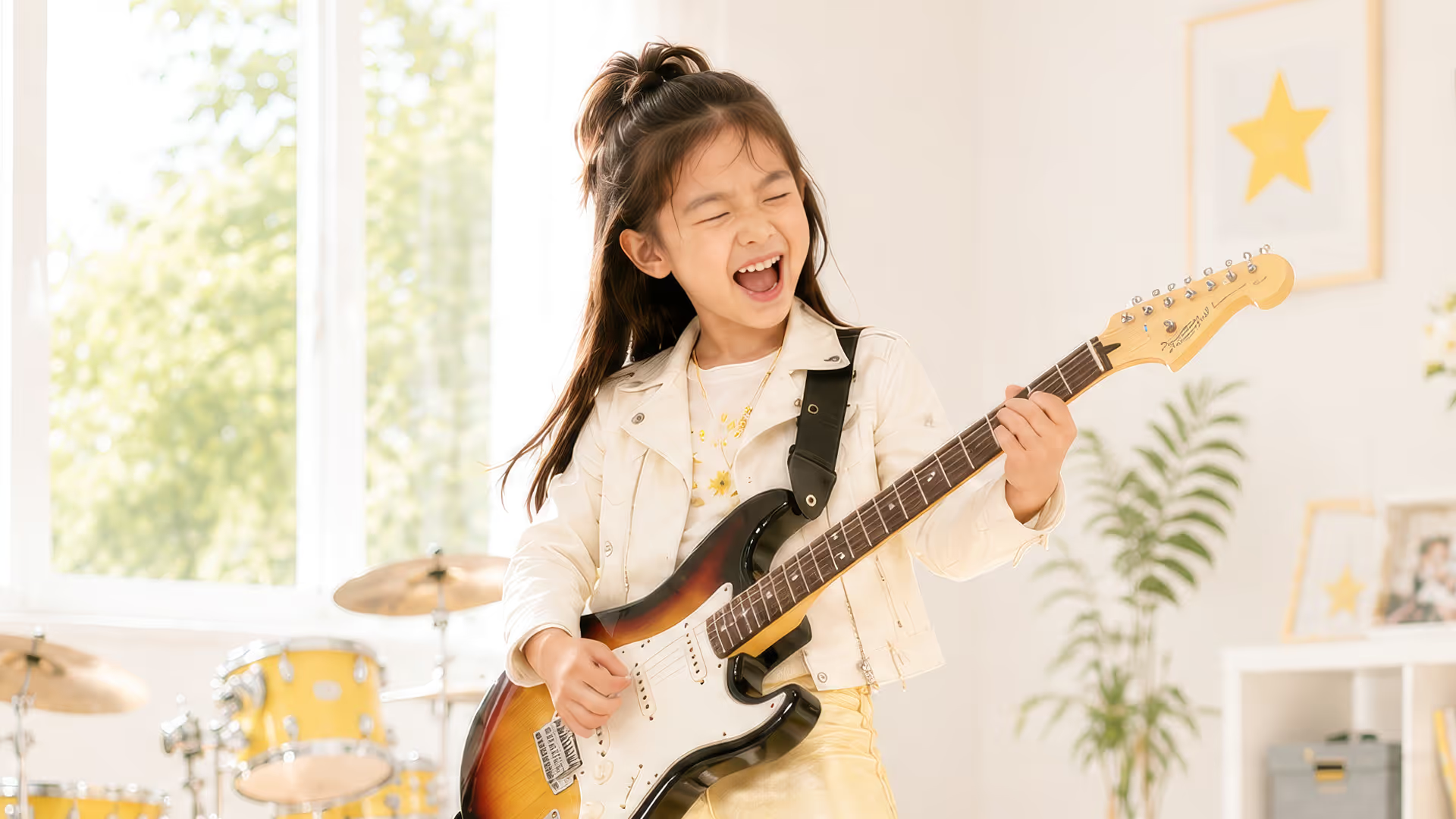
Build Confidence & Character
Music helps children grow not only in skill, but in mindset, confidence, resilience, and emotional maturity.
One of the most meaningful benefits of learning music is how it shapes the way children approach challenges. Music asks students to try, adjust, practice, and improve over time. That process can help children become more confident, more resilient, and more comfortable working through difficulty with patience and self-belief. Research and reviews in music education consistently link active music learning with gains in self-esteem, emotional skills, motivation, and broader positive development.


Develops Growth Mindset
Music helps children see that progress comes through effort, feedback, and steady practice.
Music is a powerful environment for developing a growth mindset because it makes improvement visible. Children learn that mistakes are part of progress, that skills take time to build, and that effort leads to mastery. Music training is a clear example of how complex skills are developed through “effortful, mindful and informed practice,” helping students build grit, determination, and self-confidence. Research has found promising evidence that sustained engagement in instrumental music can support overall growth mindset in children.
Builds Self-Confidence
As children develop new skills and see themselves improving, music can help strengthen confidence in a real and lasting way.
Confidence grows when children experience genuine progress. Music gives them repeated opportunities to learn something challenging, improve through practice, and feel proud of what they can achieve. Whether performing with others or developing a new skill independently, children learn that effort leads to improvement. Over time, those small successes can help build self-esteem and a lasting sense of confidence that extends beyond the music lesson.

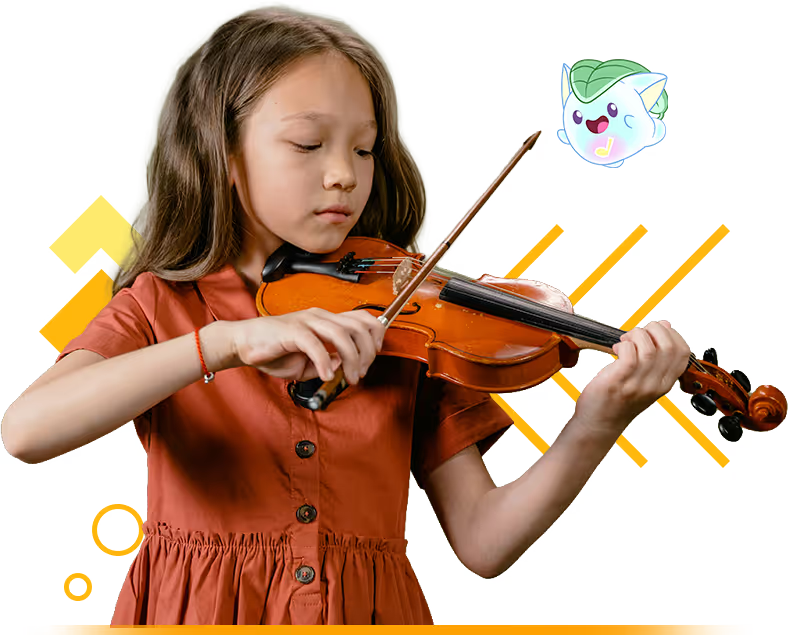
Encourages Perseverance
Music teaches children to keep going through challenge, effort, and slower periods of progress.
Learning music is rarely instant, and that is part of its value. Students often experience quick early gains, slower periods, setbacks, and breakthroughs — all of which teach them how to keep going when something feels difficult. As they work through challenges, they learn patience, resilience, and the value of consistent effort. Because making music is both engaging and rewarding, students are often motivated to persevere even when progress feels slow. For parents, this matters because perseverance is built through experience, not just encouragement.
Improves Emotional Regulation
Music helps children recognise emotions, express them more clearly, and develop greater control over how they respond.
Music is deeply connected to emotion, which is one reason it can support children’s emotional growth in meaningful ways. Through listening, learning, and performing, children are exposed to a wide range of emotions and learn to recognise them in both themselves and others. Research suggests that active engagement with music can help develop emotional awareness, social skills, and overall wellbeing. For parents, the real benefit is that music can help children better understand their feelings, express themselves, and navigate emotions with greater confidence.

Related Articles
The role of emotional skills in music education
Music supports emotional development by helping children recognize emotions in music and speech. Studies link it to stronger social-emotional skills.

Effects of Three Years of Piano Instruction on Children’s Academic Achievement, School Performance and Self-Esteem
Confidence grows as children see progress. Music lets them master challenges and feel proud. Ensemble playing builds confidence, and piano study boosts self-esteem.
From Our Families
Hear it straight from our parents and students!